Materials
Eight families. One hundred layers. No filler.
Every layer in STRATA belongs to one of eight material families. Each family has a job. Several have a temperament.
Specifications measured at 21°C and 46% relative humidity, the conditions under which our materials are most themselves.1
Read the captions
- One hundred layers. Eight materials.
- Memory Foam. Remembers you. Forgets your ex.
- Reactive Latex. Rebounds in 0.3 seconds.
- Gel Lattice. Thermally indifferent.
- Micro-Down. Clusters of 11,000 fibres per layer.
- Wool Felt. Breathes so you don’t have to think about it.
- Buckwheat Mesh. Ancestral density.
- Graphene Quilting. We don’t know what it does either, but it’s in there.
- Void Layer™. Sometimes the answer is nothing.
- Eight materials. One of them is nothing.
Our materials are cut, cured, felted, roasted, cast and, in one case, carefully left empty. All of them are brought together at our mill in Pellham Ford. Each family is introduced below with its specification, its placement in the stack, and a word from the scientist who knows it best.
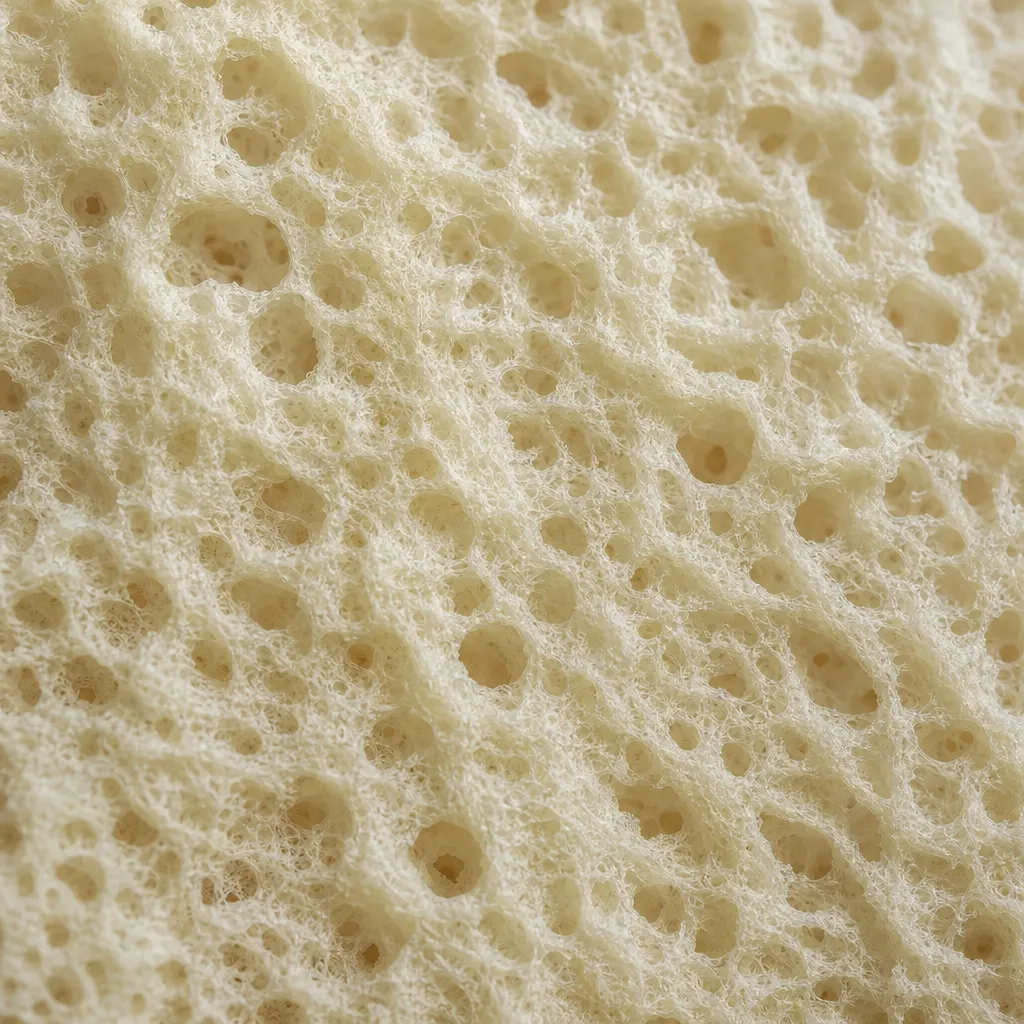
Holds a contour for 4.0 seconds after you lift your head. Long enough to miss you.
№ 1Memory Foam
Memory Foam (Gen VII)
Remembers you. Forgets your ex.
Seventh-generation viscoelastic foam, open-celled and slow to judge. It records the shape of your head over 40 minutes and releases it over 4 seconds.2
Gen VII is poured in 11-litre batches and cured for 19 days, which is 6 days longer than necessary and exactly as long as we are comfortable with. Each sheet is then sliced to 2.8 mm on a blade that is replaced every 400 cuts, whether it needs it or not.
Its memory is selective by design. It holds the contour of your cheek, the angle of your jaw, and the small habitual tilt you do not know you do. It does not hold grudges, sweat, or the shape of a previous sleeper. We tested this for two years. Nobody was comfortable with the second year.
- Density
- 52 kg/m³
- Rebound
- 4.0 s full recovery
- Thermal rating
- Warm-neutral (+0.4°C)
- Squeak Index
- 0.2 / 10
18
2.8 mm
52 g
Layer numbers
“It is the only foam I have tested that appears to listen. I have stopped saying that at conferences.”
Poured and cured at the Pellham Ford mill, Line 2.
Appears in these presets
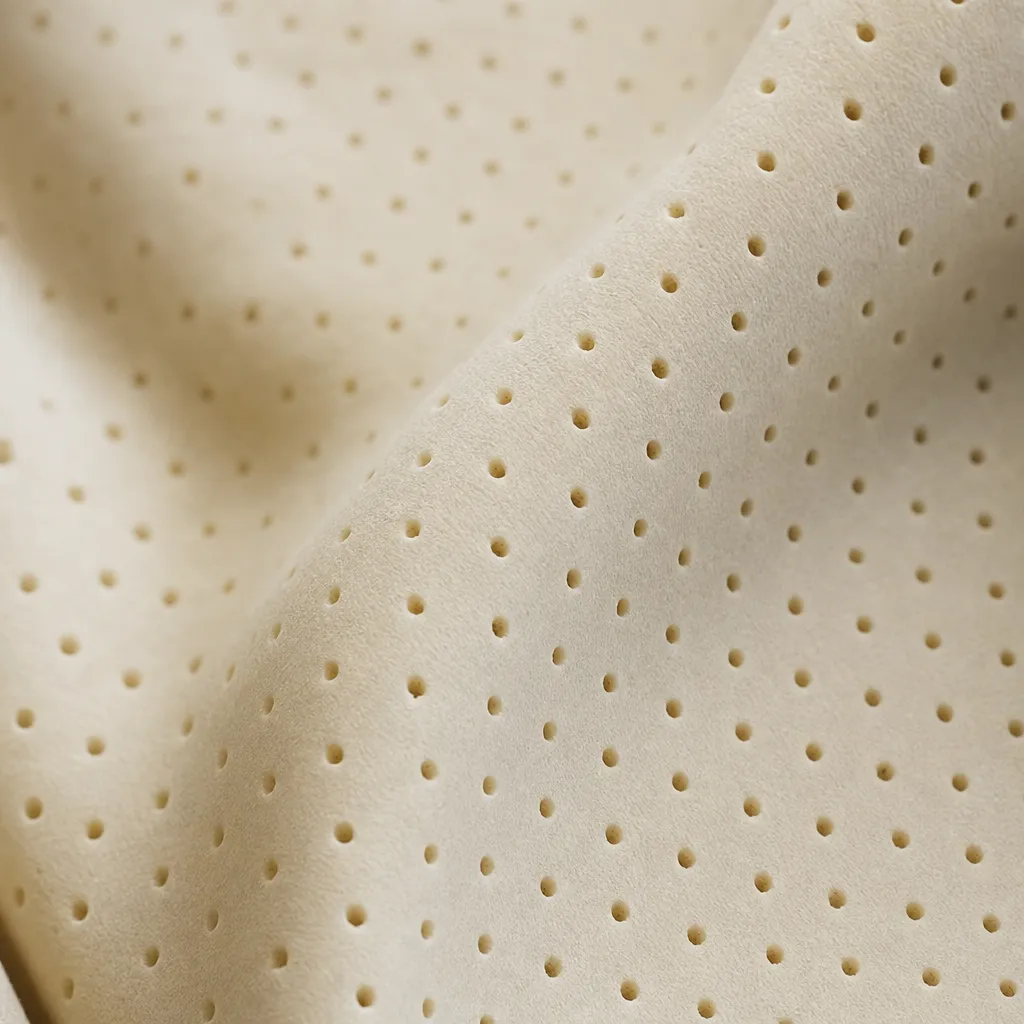
1,140 pin-cores per sheet. Each one counted twice.
№ 2Reactive Latex
Reactive Latex
Rebounds in 0.3 seconds.
Pin-cored natural-origin latex, whipped and flash-set so it springs back before you have finished turning over.3
Where memory foam waits, Reactive Latex answers. It is the stack’s conversational layer: firm enough to hold a position, quick enough to abandon it. Each sheet carries 1,140 pin-cores, drilled at 0.9 mm to let the layer breathe and to give our quality team something to count.
Latex layers sit at the joints of the stack, between families that would otherwise disagree. Layer 33 is the exception. It is a lateral-rebound sheet that squeaks at a frequency of 2.1 kHz when compressed from the left. We tried to fix it. It is now a feature, and it has a following.
- Density
- 68 kg/m³
- Rebound
- 0.3 s full recovery
- Thermal rating
- Neutral (0.0°C)
- Squeak Index
- 3.4 / 10 (Layer 33: 8.9 / 10)
14
2.4 mm
48 g
Layer numbers
“Three-tenths of a second is not a specification. It is a temperament.”
Whipped and flash-set at the Pellham Ford mill, Line 4.
Appears in these presets
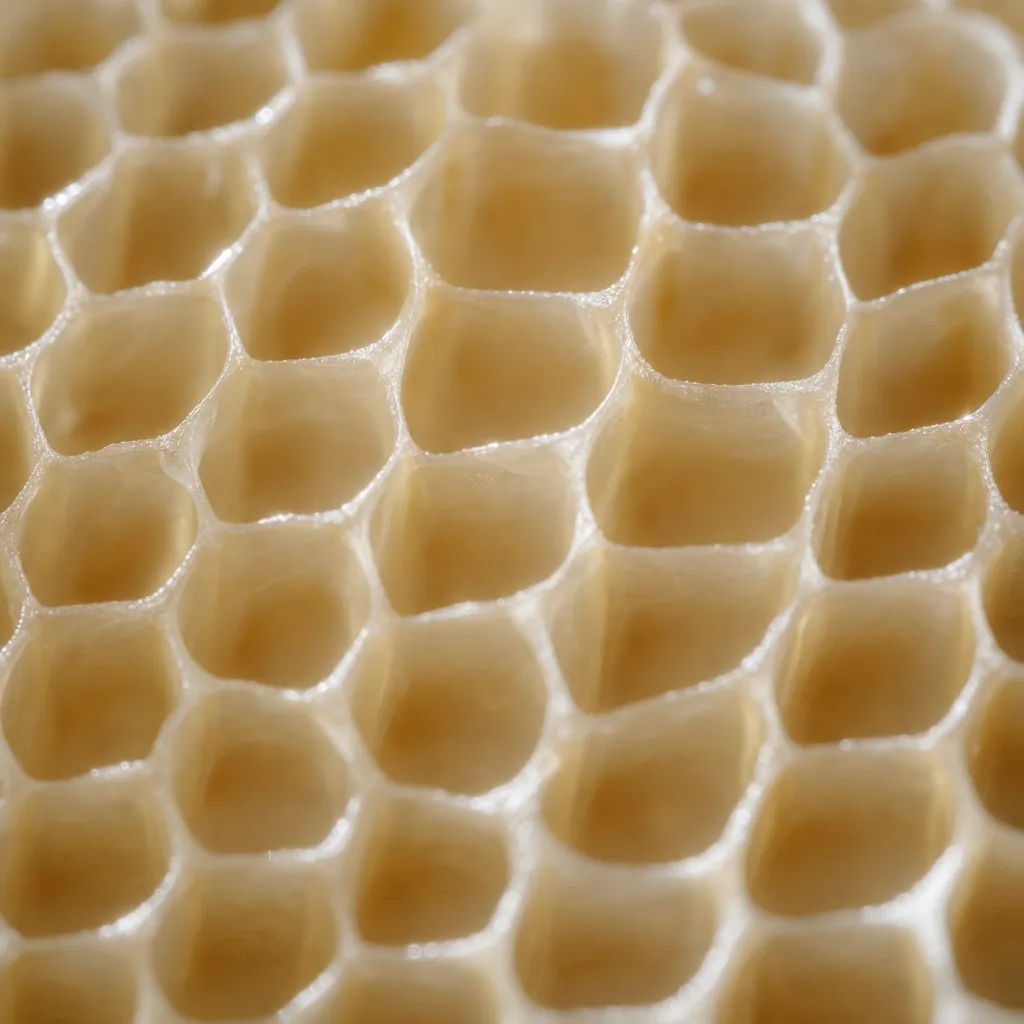
3,600 cells per layer. Every one of them is 31.2°C on the inside.
№ 3Gel Lattice
Phase-Change Gel Lattice
Thermally indifferent.
A hexagonal lattice of phase-change gel that absorbs heat at 31.2°C and gives it back when you are no longer looking.4
The lattice is cast in 3,600 hexagonal cells per layer. Each cell holds a gel that melts, very slightly, at 31.2°C, which is the surface temperature of a calm cheek. When you run warm, the gel quietly absorbs the difference. When you cool, it returns it. It does not take sides.
Twelve lattice layers are distributed through the stack, concentrated in the Thermal Stratum, so that heat moving downward meets a cool, indifferent surface every few millimetres. The effect is a pillow that feels the same temperature at 4 a.m. as it did at 11 p.m. Our thermal team calls this ‘flat’. They mean it as a compliment.
- Density
- 410 kg/m³ (cell-averaged)
- Rebound
- 1.1 s
- Thermal rating
- Indifferent (±0.0°C over 8 h)
- Squeak Index
- 0.0 / 10
12
1.6 mm
61 g
Layer numbers
“Most materials have feelings about heat. This one has a policy.”
Cast and cured at the Kessler-Brandt Thermal Laboratory, then trimmed at Pellham Ford.
Appears in these presets
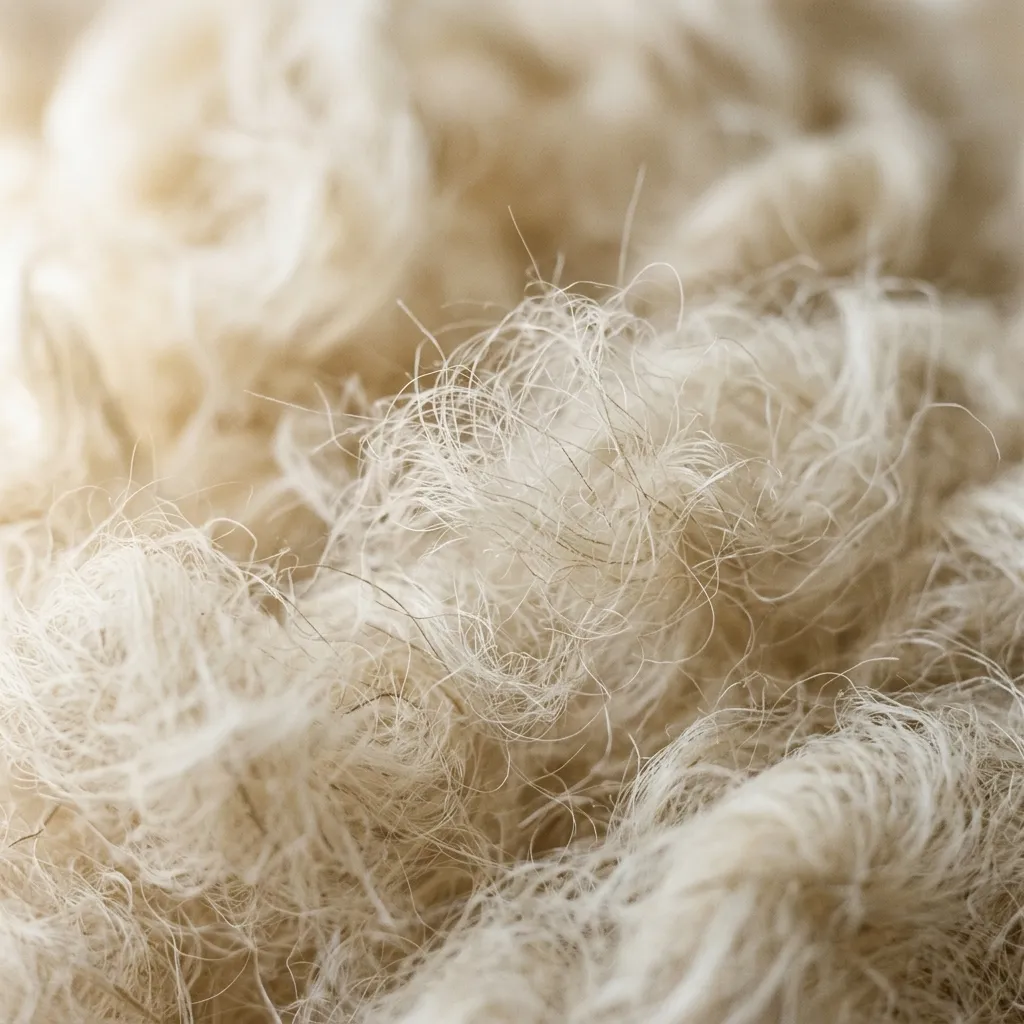
11,000 clusters per layer. 176,000 in the full stack. None of them are feathers.
№ 4Micro-Down
Micro-Down Alternative
11,000 clusters per layer, all hollow.
Hollow-core micro-fibres spun into 11,000 loose clusters per layer, for loft without a single bird being consulted.5
Each Micro-Down layer is a scrim of 11,000 fibre clusters, each cluster roughly the size of a lentil and roughly as opinionated. The fibres are hollow, crimped and siliconised by hand, then blown into the scrim in a room kept at 46% humidity so they arrive relaxed.
Micro-Down is the stack’s softest family and its lightest, Void Layers aside: 14 grams a layer. It gives STRATA its first impression (Layer 1 is Micro-Down) and its last (so is Layer 100). In between it appears wherever a firm layer needs a softer neighbour to explain it.
- Density
- 9 kg/m³
- Rebound
- 2.6 s (cluster reloft)
- Thermal rating
- Warm (+0.9°C)
- Squeak Index
- 0.0 / 10
16
3.1 mm
14 g
Layer numbers
“We counted the clusters by hand for the first 40 layers. After that, we trusted them.”
Spun at Northmere, blown and sealed at Pellham Ford, Line 1.
Appears in these presets
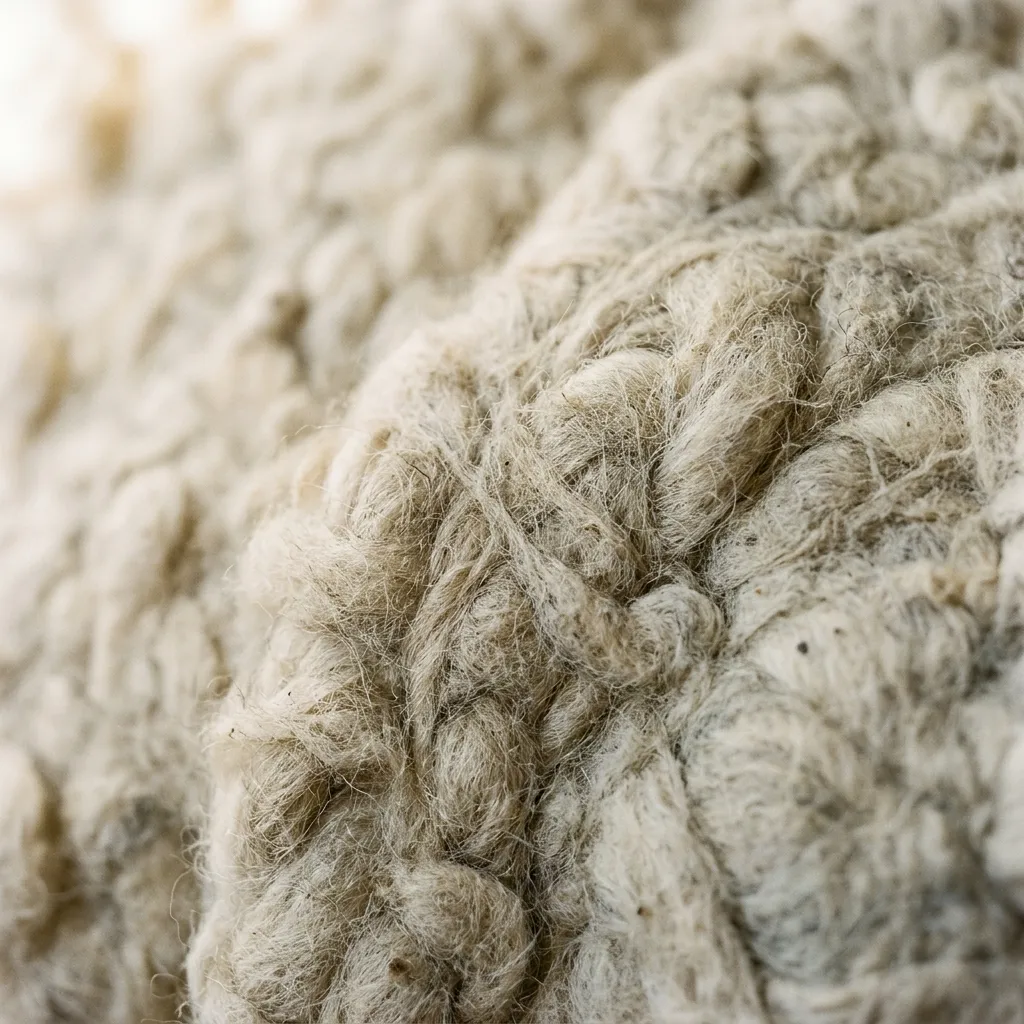
220 micro-channels per cm². Moves 31 ml of night-time humidity sideways.
№ 5Wool Felt
Aerated Wool Felt
Breathes so you don’t have to think about it.
Needle-felted wool, aerated with 220 micro-channels per square centimetre, that moves moisture sideways and away from your face.6
Wool has managed moisture for longer than we have managed anything. Our felt is needle-punched from fine, crimped fleece and then aerated with 220 micro-channels per square centimetre, so that the humidity of a long night travels laterally to the pillow’s edges and leaves quietly.
Twelve felt layers sit through the stack at intervals our thermal team describes as ‘respiratory’. Felt is also the stack’s most patient family. It takes a full season to settle and then does not change again. We find this reassuring. So, we are told, do the sheep.
- Density
- 140 kg/m³
- Rebound
- 2.0 s
- Thermal rating
- Regulating (−0.3°C)
- Squeak Index
- 0.4 / 10
12
1.9 mm
33 g
Layer numbers
“Felt does not perform. It simply continues. That is rarer than you would think.”
Fleece from three upland cooperatives; felted at Northmere; aerated at Pellham Ford, Line 3.
Appears in these presets
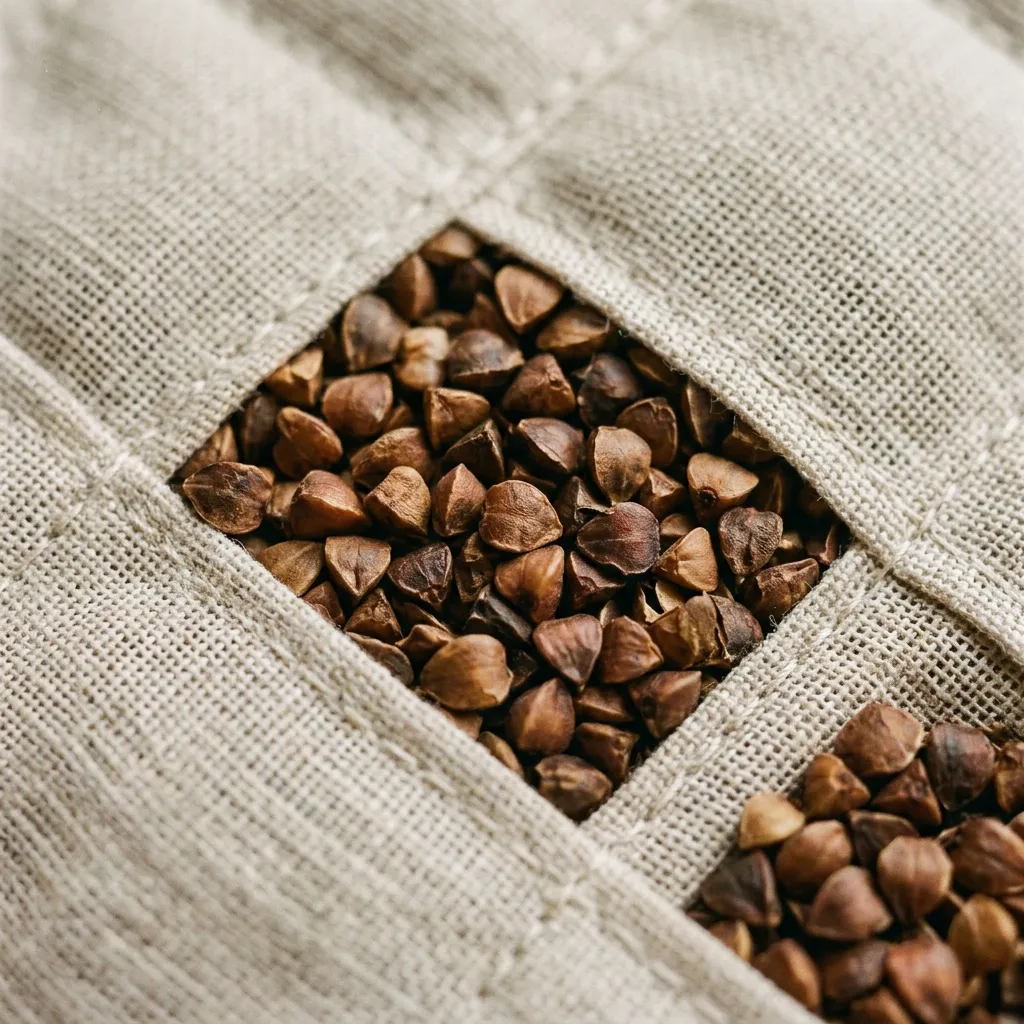
640 pockets per layer. One hull deep. Zero migration over 3,000 test nights.
№ 6Buckwheat Mesh
Buckwheat Mesh
Ancestral density.
Roasted buckwheat hulls sealed in a fine quilted mesh, one hull deep, for structure that holds its shape and its opinions.7
Buckwheat is the heaviest family in the stack at 88 grams a layer, and the most certain. Each layer holds a single course of roasted hulls, sealed into 640 quilted pockets so they cannot migrate. The hulls interlock under load and form a surface that does not give up the position you chose.
We call it ancestral because hulled pillows are old, older than any of us, and because our founder’s grandmother slept on one and lived to 101. We have not studied whether these facts are connected. We have chosen to believe it.
- Density
- 590 kg/m³
- Rebound
- None. Holds position.
- Thermal rating
- Cool (−0.6°C)
- Squeak Index
- 1.8 / 10 (a soft rustle, not a squeak)
10
2.2 mm
88 g
Layer numbers
“It is the only material in the stack that has been tested for several centuries before us. The results were encouraging.”
Hulls roasted in small lots; sealed and quilted at Pellham Ford, Line 5.
Appears in these presets
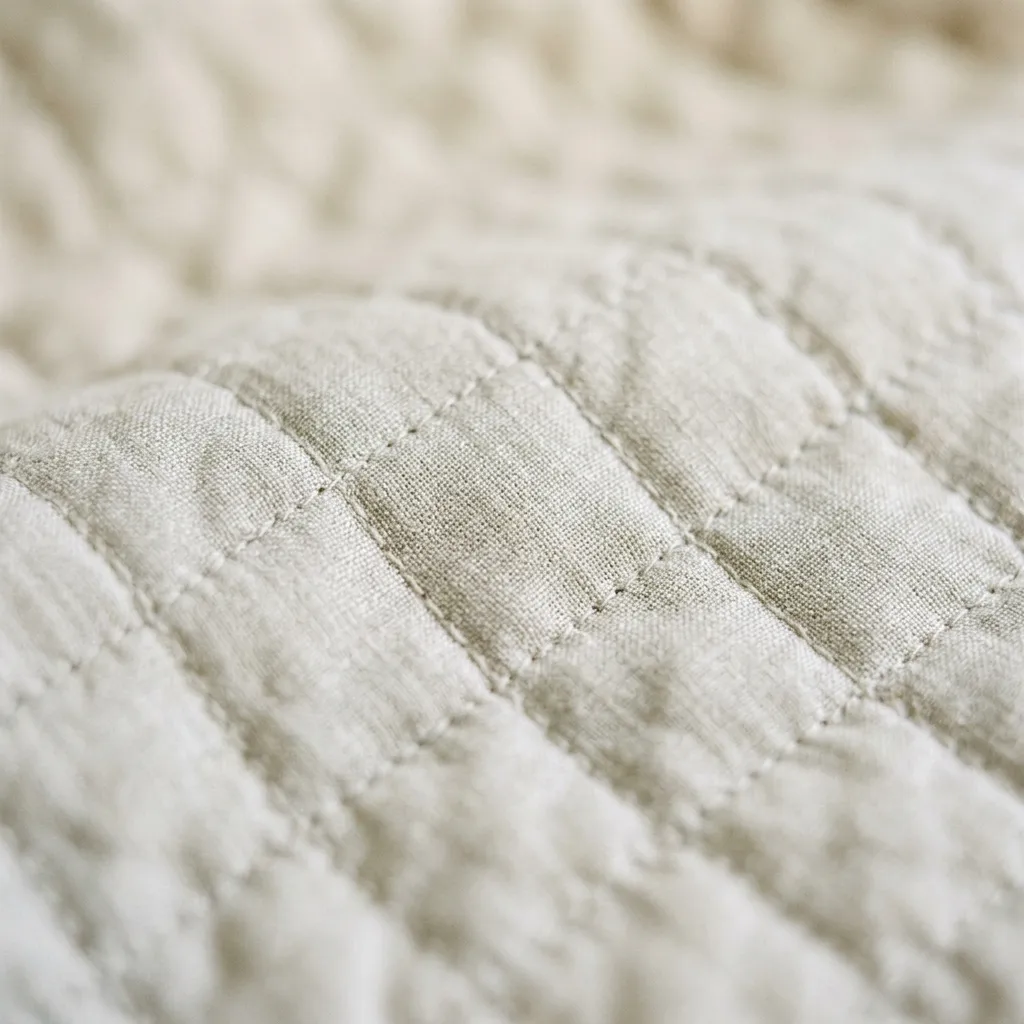
0.04% graphene by mass. 6.1% more ‘evenness’. 100% of us are still curious.
№ 7Graphene Quilting
Graphene-Infused Quilting
We don’t know what it does either, but it’s in there.
A whisper-weight quilted scrim infused with graphene at 0.04% by mass. Its effect is real, measurable, and not yet explained.8
Ten graphene-quilted layers appear in the stack. Each is a 1.2 mm quilted scrim infused with graphene at a concentration of 0.04% by mass. Graphene is a remarkable material, and our layers contain it. This is the part we are certain of.
In Institute trials, sleepers on stacks containing graphene quilting reported a 6.1% improvement in what they described as ‘evenness’. Sleepers on identical stacks without it reported nothing. Our scientists have proposed eleven mechanisms. None has survived review. The layers remain in the stack while the work continues.
- Density
- 0.04% graphene by mass
- Rebound
- Not applicable
- Thermal rating
- Conductive (redistributes ±0.2°C)
- Squeak Index
- 0.0 / 10
10
1.2 mm
22 g
Layer numbers
“We measured an effect. We are now measuring our measurements.”
Infused under licence at the Orrin Institute of Surface Science; quilted at Pellham Ford.
Appears in these presets
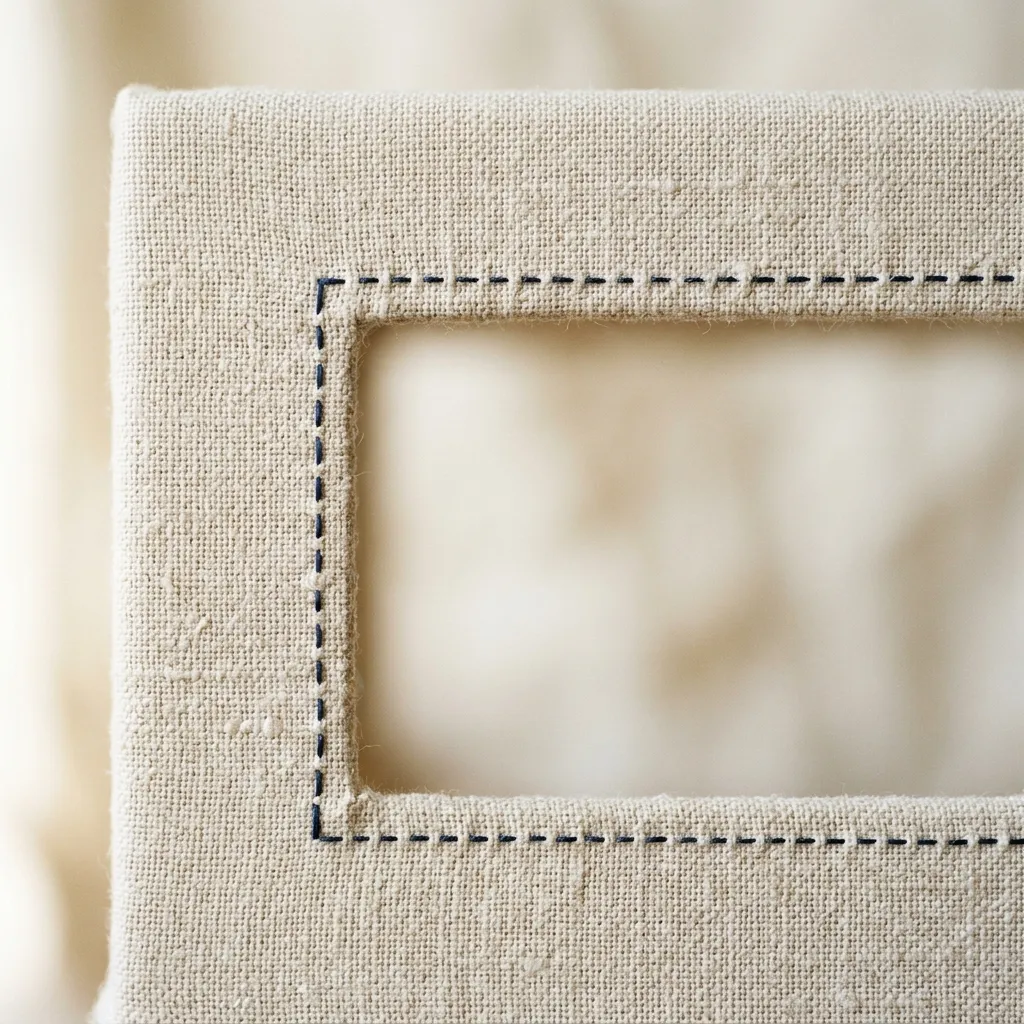
2.0 mm of nothing. Eight times. Hand-inspected for contents (none found).
№ 8Void Layer
Void Layer™
Sometimes the answer is nothing.
A precision-tensioned border enclosing a 2.0 mm space that contains, by design, nothing at all.9
The Void Layer™ is a hand-stitched border of tensioned scrim, 2.0 mm deep, framing an interior that has been carefully left empty. It weighs 3 grams, all of it border. It is the most difficult layer in the stack to manufacture, because the hardest thing to make is room.
Eight Void Layers are placed through the stack, at Layers 13, 30, 50, 64, 77, 87, 91 and 99. They give the layers around them somewhere to go. In our VOID-1 trial, sleepers given a Void Layer reported an 18.2% greater sense of space than sleepers given a placebo Void Layer. The placebo was also empty. We think about this often.
- Density
- 0 kg/m³ (interior); border 3 g
- Rebound
- Instant. There is nothing to recover.
- Thermal rating
- Insulating (thermal break)
- Squeak Index
- 0.0 / 10
8
2.0 mm
3 g
Layer numbers
“People ask what is inside. I tell them: the right amount.”
Tensioned and stitched by hand at Pellham Ford, in a room kept intentionally sparse.
Appears in these presets
Eight families. Your proportions.
Every preset is a different arrangement of the same eight materials. The Builder shows you which layers you keep.
Open the Builder